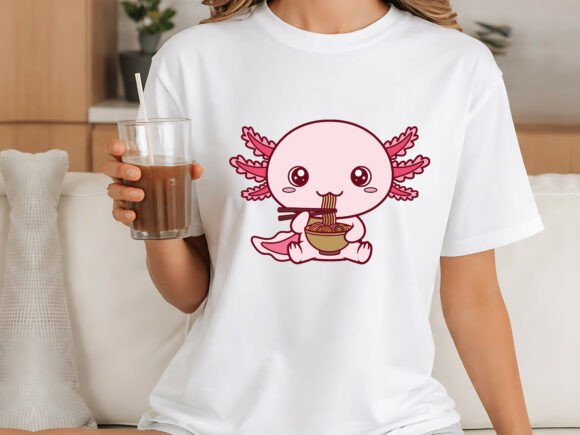
Cute Axolotl Eating Ramen Cartoon: Enhancing Your KDP Book Interior with Playful Design
You’ve seen the image on social media, sticker packs, and digital art marketplaces — a cheerful little axolotl happily slurping a bowl of ramen. It’s charming, whimsical, and surprisingly versatile. For anyone creating low-content or no-content books on Amazon KDP, this kind of illustration can turn a plain planner or journal into something memorable. But using a cute axolotl eating ramen cartoon effectively inside your book requires more than just dropping it onto a page. Many self-publishers rush to combine trendy art with a ready-made interior template and hope for the best. The result is often disappointing — cluttered layouts, poor print quality, or books that don’t sell. Let’s look at the common mistakes people make when working with playful illustrations like this one, and how you can avoid them to create polished, professional books that readers actually want.
Mistake 1: Treating the Cartoon as Pure Decoration with No Functional Purpose
The axolotl eating ramen is undeniably cute, but if you place it randomly on a page just because it looks good, you’re missing an opportunity. In a journal or planner, every element should serve a purpose. An illustration can mark a section header, accompany a prompt, or act as a visual reward for completing a task. When the cartoon has no relation to the page’s function, it becomes visual noise. Readers may find it charming at first, but eventually they’ll expect the image to mean something — a mood booster, a note area, or a filler for a gratitude line.
Better approach: Choose a template that already accounts for illustrations, such as one with dedicated icon spaces or flexible layout areas. Then place the axolotl cartoon in a spot where it complements the content — for example, next to a “Today’s Joy” section or alongside a weekly reflection prompt. This makes the design feel intentional rather than slapped on.
Mistake 2: Overlooking File Format and Resolution Requirements
Many sellers download a cute axolotl cartoon from a free image site and insert it into their interior template without checking the resolution. The template description emphasizes “print-ready 300 DPI” and specific bleed settings. A low-resolution image (72 DPI from the web) will look fine on screen but will appear pixelated and blurry when printed. That ruins the professional look you need to compete on Amazon.
Better approach: Source the axolotl illustration as a high-resolution file — ideally 300 DPI at the final size you intend to use. Vector formats (AI, EPS) are best because you can scale them without losing quality. If the template includes editable source files in PowerPoint or Canva, ensure the imported image stays sharp. Before uploading to KDP, do a test print or use the platform’s preview tool to verify clarity. One blurry image can make your whole book look amateur.
Mistake 3: Assuming All KDP Interior Templates Fit the Same Style
The template you choose matters a great deal. A minimal, clean layout might clash with a playful cartoon. Some templates are designed for maximalist decoration, while others are built for simplicity. If you drop a brightly colored axolotl into a black-and-white dot grid planner without adjusting the overall design, the result feels disjointed. Readers notice when the interior doesn’t match the cover or the theme.
Real example: A seller used a cute axolotl eating ramen cartoon in a weekly budget tracker. The cartoon sat above a row of expense lines. Buyers commented that the illustration was cute but didn’t fit the serious budgeting purpose. Sales suffered.
Better approach: Browse template categories carefully. If your book theme is “self-care wellness journal,” look for interiors with soft colors, ample white space, and areas for illustrations. Many KDP interior products specify whether they are suitable for decorative elements. You can also customize the layout using the editable source files — move columns, adjust margins, or add a frame around the cartoon to integrate it visually.
Mistake 4: Ignoring Licensing for the Cartoon Itself
The KDP interior template you purchase may come with commercial use allowed — for the layout, typography, and design structure. But that permission typically does not cover any third-party artwork you insert yourself. If you download a free cute axolotl eating ramen cartoon from a site without a clear commercial license, you risk copyright infringement. Amazon KDP can remove your book and potentially suspend your account if a rights holder files a claim.
Better approach: Only use illustrations that are explicitly labeled for commercial use in products for sale. Purchase from reputable marketplaces that offer royalty-free licenses for print-on-demand. Keep a record of licenses and receipts. If you are using the template’s own source files, confirm whether the included graphics (if any) are covered by the same commercial terms. When in doubt, create your own version using simple shapes and assets you own.
Mistake 5: Failing to Check Bleed and Trim After Adding the Cartoon
Print-ready templates come with a specific bleed margin — usually 0.125 inches — and a trim line. When you add an illustration that extends to the edge of the page, it must extend into the bleed area so that after trimming no white sliver shows. Many beginners simply place the cartoon inside the safe zone, leaving a gap. On the printed book, the gap may look like a mistake.
Conversely, if the cartoon is meant to be inside the page (not full-bleed), you need to keep it within the safe margin (usually 0.5 inches from trim). Placing an image too close to the edge risks it being cut off during trimming.
Better approach: Open the template in the software you plan to use (Canva, PowerPoint, InDesign). Turn on guides for bleed and safe area. Position the axolotl cartoon so that any background or color extends to the bleed line if you want it edge-to-edge, or keep all important details (the ramen bowl, the axolotl’s face) well inside the safe margin. Zoom in to check. If the template came with “No Bleed” specified, avoid any elements near the edge altogether.
Mistake 6: Forgetting Who Your Reader Actually Is
A cute axolotl eating ramen cartoon appeals strongly to young adults, fans of kawaii culture, and people seeking comfort-themed products. That’s a valid audience, but not every book benefits from this image. A hardcover financial ledger or a meal prep tracker for fitness enthusiasts may feel mismatched. When the illustration doesn’t align with the intended user’s expectations, the book fails to connect.
Better approach: Define your target buyer before choosing any design element. For a self-care wellness journal, habits tracker, or gratitude log, the whimsical axolotl fits naturally. For more serious or professional topics, save it for the cover interior perhaps, or skip it altogether. You can always create a separate series of books for the playful aesthetic. Specialization often leads to better sales than trying to make one design work for everyone.
How to Choose and Use Your Template Wisely
Now that you know the common pitfalls, here’s a practical checklist to follow when combining a cute axolotl eating ramen cartoon with a KDP interior template:
- Verify that the template format matches your skill level. If you prefer drag-and-drop, select a Canva or PowerPoint editable file. If you work with vectors, AI or EPS source files give you the most control.
- Check the page size and bleed details. The template should state “6x9, 8.5x11, or A4” and whether bleed is included. Match that to your planned book trim.
- Test color printing compatibility. The cute axolotl eating ramen cartoon usually has pastel colors. Ensure your template’s color scheme (often black and white for low-content books) can handle color pages without extra cost. Some KDP books charge more for color interiors.
- Use the editable layers wisely. If the template has separate layers for text, graphics, and backgrounds, keep them organized. Insert the cartoon on its own layer so you can move or resize it without affecting the layout.
- Review Amazon’s content guidelines. Illustrations that contain food or animals are fine, but avoid anything that could be misinterpreted as trademarked or offensive. The axolotl eating ramen is generally safe, but double-check that your version doesn’t resemble a protected character.
Making the Cartoon Work in Different Book Types
The same illustration can take on different roles depending on the book interior. In a daily journal, you might place a small version at the top of each page as a header. In a logbook, use it once per section as a chapter opener. In a wellness tracker, let it sit beside a “mood meter” scale. The key is consistency — don’t use it on only some pages and leave others bare unless there’s a clear pattern.
Example of a better approach: One seller created a “Mindful Moments” guided journal using a interior template with half-page lines and half-page blank space. They placed the cute axolotl eating ramen cartoon in the blank area of every third page, accompanied by a simple question like “What comfort food made you smile today?” Readers reported feeling encouraged and engaged. The design reinforced the theme.
Final Practical Advice Before You Publish
Before hitting “Upload” on Amazon KDP, download the PDF preview and check every page where the cartoon appears. Look for pixelation, cut-off details, or misalignment with text. Ask a friend to look at a print sample. Then, think about the overall flow: does the interior feel cohesive, or does the axolotl pop out as an afterthought? A well-executed book interior is invisible in the best way — the design supports the content without drawing unnecessary attention to itself.
The cute axolotl eating ramen cartoon can be your secret weapon for capturing a niche audience, but only if you treat it as part of a thoughtful design system, not a quick decoration. Paired with a quality KDP interior template and careful attention to print specs, you can produce a book that looks professional, delights customers, and earns positive reviews. That’s the kind of result every self-publisher wants — and it’s totally achievable with a little planning and a lot of cuteness.